
 By
By Why tabletop games remain popular in modern casino environments
The Thrill of Social Interaction
Tabletop games offer a unique blend of strategy and social interaction that attracts players from all walks of life. Unlike many electronic gaming options, which tend to isolate players, tabletop games encourage communal engagement. Players gather around a felt-covered table, forging bonds as they share laughter and tension during gameplay. This social element is a substantial draw, as many players seek an experience that transcends mere gambling.
Furthermore, the shared experience of playing cards or dice promotes communication and camaraderie. Gamblers often reminisce about their experiences, enhancing the allure of returning to the table. By prioritizing social elements, casinos create vibrant atmospheres that resonate with guests who appreciate connection alongside competition.
The Blend of Skill and Luck
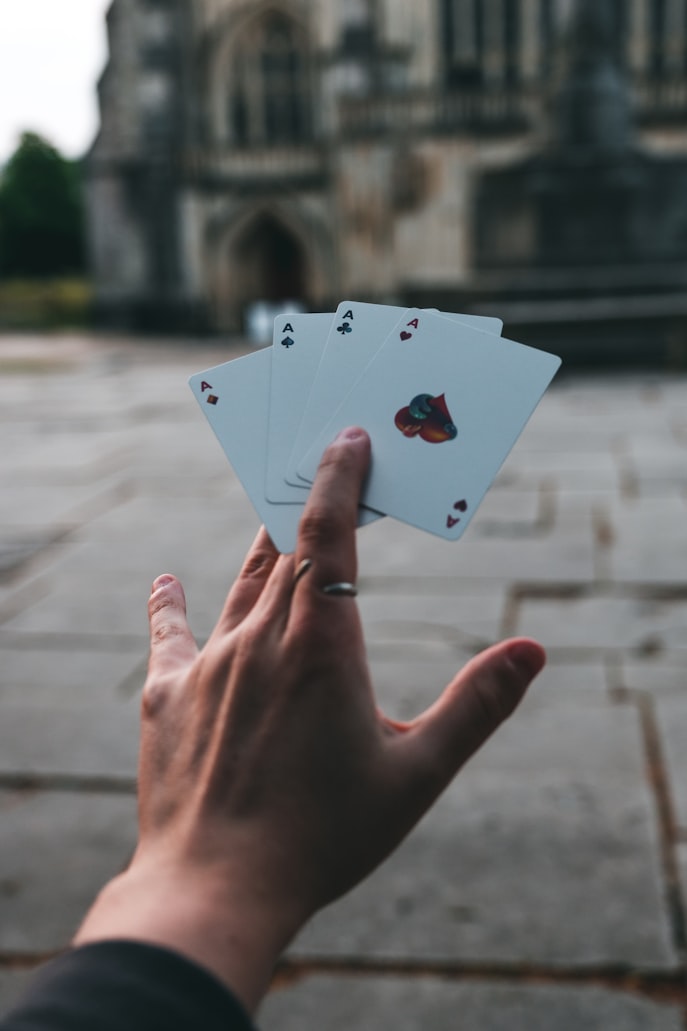
An appealing aspect of tabletop games is the balance between skill and luck. While luck plays a significant role in games like blackjack or poker, skillful players can leverage strategy to increase their chances of winning. This dynamic attracts a broad range of players, from beginners seeking a casual experience to seasoned veterans capitalizing on their expertise. The thrill of calculated risks stimulates engagement and fuels a passion for learning.
The mix of skill and chance makes tabletop games especially appealing as players can continuously improve their abilities. Each game presents a learning opportunity, enticing individuals to return for another round. As players hone their skills, they often develop a deeper appreciation for the game’s intricacies, thereby enhancing their overall experience in the casino atmosphere.
The Aesthetic and Traditional Appeal
Tabletop games retain a classic appeal that speaks to tradition and nostalgia. Many players are drawn to the time-honored aspects of these games, often rooted in cultural practices and historical significance. The aesthetic appeal of colorful chips, sleek cards, and elaborate tables serves not only as a visual feast but also as a reminder of the rich history behind these pastimes.

Moreover, casinos frequently emphasize this historical significance by creating elegant environments that evoke a sense of nostalgia. Luxury furnishings and well-trained dealers contribute to a genuine experience that players cherish. This tradition-oriented approach captures the essence of what many gamblers seek: authenticity wrapped in an experience steeped in history.
The Rise of Hybrid Gaming Experiences
These hybrid models also introduce a new level of challenge and engagement, where players can enjoy the thrill of gaming without a complete departure from traditional formats. The introduction of real-time statistics and analytics also enables players to make informed decisions, adding depth to their gameplay. As casinos adapt, the blending of experiences ensures that tabletop games remain relevant and exciting.
A Platform for Online Engagement
Online gaming platforms have transformed the way players engage with their favorite tabletop games, providing access to a wider audience. With options to play games like poker or blackjack from the comfort of home, players can enjoy their favored pastimes without geographical constraints. This accessibility further fuels the popularity of tabletop games, allowing players to practice their skills before engaging in physical settings.
As more players venture online, they are likely to seek out in-person experiences to complement their digital ones. This cross-pollination between online and offline gaming environments encourages a return to traditional casinos. Furthermore, websites like top 10 online casino australia continuously inspire users to explore both digital landscapes and physical gaming experiences, strengthening the overall appeal of tabletop games in modern environments.